Motorcycle Accident Guide provides easy-to-understand information about motorcycle accidents, documentation, insurance, and rider safety. Our goal is to help riders make informed decisions and stay prepared on the road.
Educational Guides
In-depth articles on accidents, insurance, documentation, and safety.
Practical Advice
Helpful tips for real-world situations riders may face.
Rider-Focused Topics
Information written specifically for motorcycle riders.
Easy-to-Follow Resources
Clear, straightforward guidance on important issues.
FEATURED ARTICLE
What to Do After a Motorcycle Accident: A Step-by-Step Guide
If you’ve been involved in a motorcycle accident, knowing what to do next is important. This guide covers the key steps, from ensuring your safety to documenting the scene and dealing with insurance.
Every crash is different, but a few priorities can help riders and families organize the first hours and days. These steps are general educational information and can be explored in more detail throughout the site.
01
Move to a Safer Position
If it is safe to do so, move away from active traffic and reduce the risk of another collision.
02
Request Medical Help
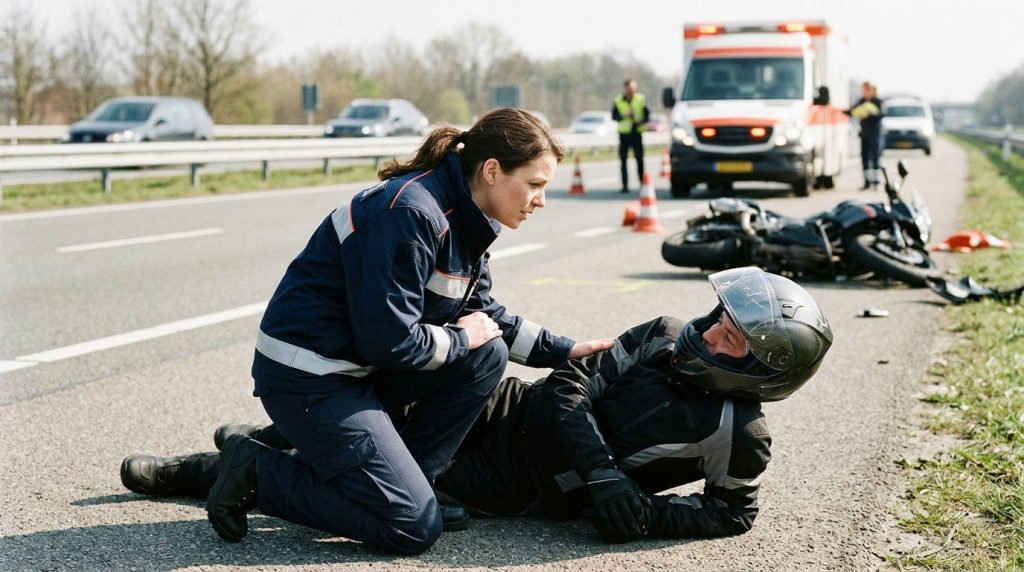
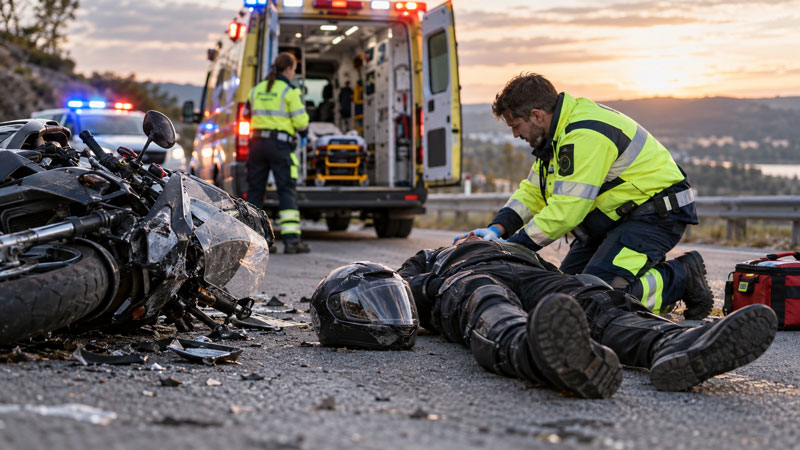
Call emergency services when needed and take injuries seriously, even when symptoms are not immediately obvious.
03
Document the Scene
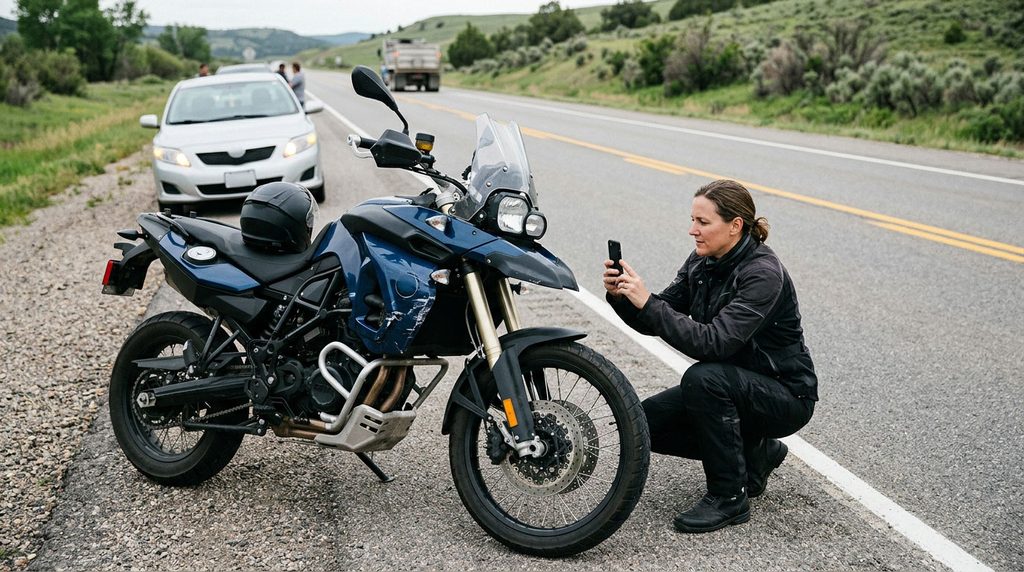
Photograph the vehicles, roadway, visible damage, nearby signs, and other details that may help preserve what happened.
04
Keep Important Records
Save report information, medical paperwork, repair documents, correspondence, and other records related to the crash.
ACCIDENT DOCUMENTATION
Build a Clear Record of What Happened
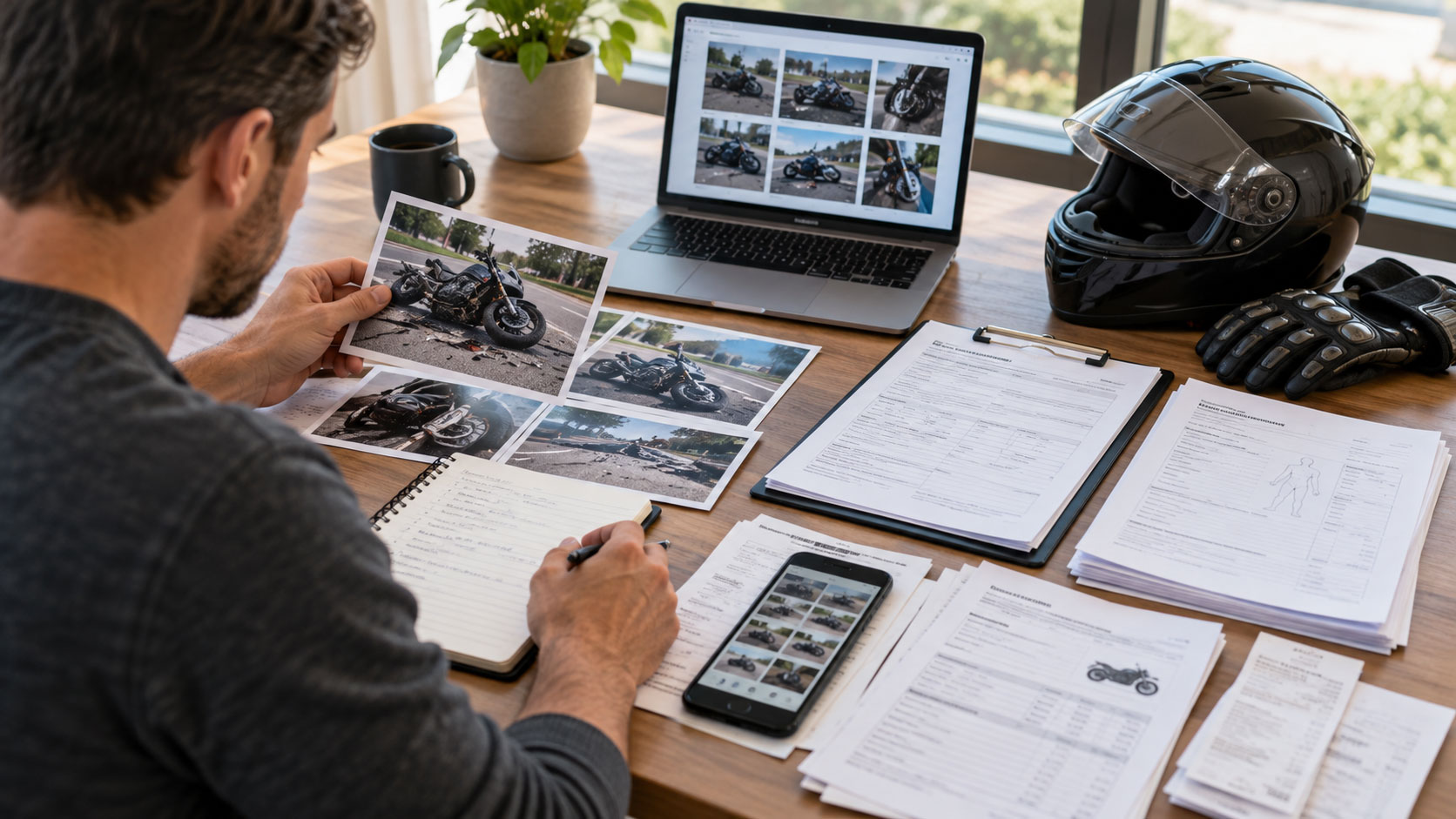
Accident documentation can become easier to manage when information is grouped by type. The goal is not to collect everything at once, but to preserve useful records before details are lost or files become difficult to locate.
Scene Photos
Photographs can help preserve vehicle positions, roadway conditions, damage, signs, debris, and other visible details.
People and Contact Details
Record available driver, passenger, witness, and responding-agency information.
Reports and Reference Numbers
Keep report numbers, incident details, and instructions for requesting official records.
Medical Records
Organize discharge papers, visit summaries, prescriptions, referrals, and other treatment documentation.
Repair and Expense Records
Save estimates, invoices, towing records, damaged-gear information, and related receipts.
Original Digital Files
Preserve original photos, videos, dash-camera footage, and other files when they are available.
QUICK REMINDER
Keep original files whenever possible and make copies of important records so information is easier to organize later.
INSURANCE QUESTIONS
Questions to Organize Before You Make a Claim
Insurance terminology can be unfamiliar after a collision. A simple list of questions can make it easier to review a policy, understand what information is being requested, and keep communications organized.
01
What coverage applies?
Review the coverages, limits, deductibles, and exclusions shown in the relevant policy documents.
02
What information may be requested?
Claims often involve basic crash information, vehicle details, records, photographs, and supporting documents.
03
What about damaged gear?
Keep information about helmets, riding gear, accessories, and other property that may have been damaged.
04
How should records be organized?
Keep claim numbers, contact information, emails, letters, estimates, and other communications in one place.
BEFORE THE NEXT RIDE
Rider Safety and Preparation
Accident information is only one part of the site. Riders can also explore practical safety topics that support preparation, visibility, and awareness before getting back on the road.
Protective Gear
Review helmet, eye protection, gloves, footwear, and protective riding apparel before heading out.
Visibility
Use lane position, lighting, reflective details, and situational awareness to help other road users see you.
Motorcycle Check
Check tires, controls, lights, fluids, brakes, and other basic items before a ride.
Road Conditions
Adjust for rain, debris, construction, reduced visibility, and changing traffic conditions.
COMMON QUESTIONS
Motorcycle Accident Questions Riders Often Ask
Start with a broad answer, then use the related guides for more context. The information on this site is educational and is not a substitute for individualized professional advice.
What should I do immediately after a motorcycle accident?
Focus first on immediate safety and medical needs. When circumstances allow, preserve basic information about the crash and keep records connected with the incident.
What information should I document at the scene?
Useful records may include photographs, contact details, insurance information, witness information, roadway conditions, and report details.
Why are medical records important after a crash?
Medical records can help create a timeline of evaluation and treatment and make it easier to keep health-related information organized.
Should I keep damaged motorcycle gear?
If practical, keep damaged helmets, clothing, accessories, and other items until you have documented their condition and determined whether they are still needed.
What insurance documents should I save?
Keep policy information, claim numbers, emails, letters, estimates, payment records, and other communications related to the claim.
Where can I find more detailed guidance?
Use the article library and topic categories to move from broad questions into more detailed accident, documentation, insurance, and rider-safety guides.
EXPLORE BY TOPIC
Find the Information That Matches Your Question
Use these topic paths to move directly to the type of information you need, whether you are dealing with the immediate aftermath of a collision or preparing for future rides.
After an Accident
Emergency priorities, reporting, medical evaluation, and next-step guidance.
Accident Documentation
Photos, reports, records, witnesses, and preserving useful information.
Insurance Basics
Policy terminology, claims, communication, and recordkeeping questions.
Rider Safety
Preparation, visibility, protective gear, road conditions, and safer riding topics.
EXPLORE OUR TOPICS
Continue Exploring Motorcycle Accident Guides
Browse the full article library for practical information about crashes, documentation, insurance questions, safety, and recovery-related considerations.